
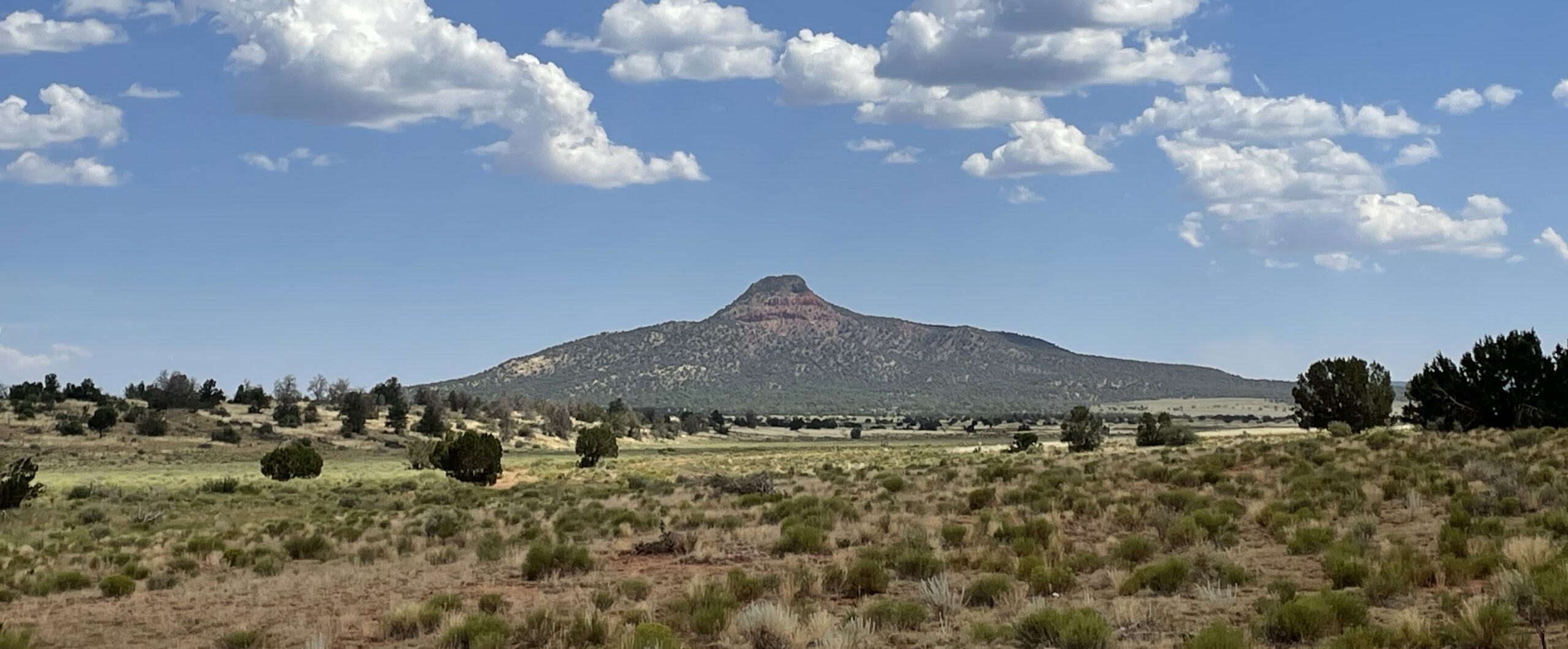
What Is the Baaj Nwaavjo I’tah Kukveni National Monument?
The Baaj Nwaavjo I’tah Kukveni National Monument is one of the newest and most culturally significant protected areas in the United States. Officially designated on August 8, 2023, by President Joe Biden, the monument spans an impressive 917,618 acres of public lands surrounding the Grand Canyon, including both the north and south rims [dailypassport.com].
The name itself is a powerful tribute to the region’s Indigenous heritage:
- “Baaj Nwaavjo” means “where tribes roam” in the Havasupai language.
- “I’tah Kukveni” means “our ancestral footprints” in Hopi [npshistory.com].
Why Was the Monument Created?
The monument was established to protect a landscape of immense cultural, spiritual, and ecological value. It encompasses forests, grasslands, creek beds, and iconic features like Marble Canyon, the Echo and Vermilion Cliffs, and the sacred Havasupai mountain Wii’i Gdwiisa (Red Butte) [fs.usda.gov].
But beyond its natural beauty, the monument is a living cultural landscape. It safeguards thousands of years of Indigenous history, including archaeological sites, ceremonial grounds, and places still used for traditional practices today [npshistory.com].
The Yavapai-Apache Nation: Deep Roots in the Region
Who Are the Yavapai-Apache?
The Yavapai-Apache Nation is a federally recognized tribe in Arizona, made up of two distinct peoples: the Yavapai and the Tonto Apache. Both have deep historical and cultural ties to the Verde Valley and the greater Grand Canyon region [yavapai-apache.org].
Ancestral Connections
For the Yavapai-Apache, the lands within and around the Baaj Nwaavjo I’tah Kukveni National Monument are not just historical sites—they are part of their living heritage. These lands feature in creation stories, oral histories, and are home to sacred sites, ancient dwellings, and traditional gathering places [npshistory.com].
The Yavapai and Apache have used these lands for hunting, gathering, and ceremonies for generations. Protecting these areas ensures that their cultural practices and spiritual traditions can continue for future generations [fs.usda.gov].
Tribal Involvement in the Monument’s Creation
The establishment of the Baaj Nwaavjo I’tah Kukveni National Monument is part of a broader movement to recognize and honor Indigenous stewardship of ancestral lands. Tribal nations, including the Yavapai-Apache, have played a crucial role in advocating for the protection of these sacred places.
- The Yavapai-Apache Nation, along with other tribes, supported the monument’s designation and has been involved in efforts to reclaim and protect ancestral lands through land exchanges and environmental initiatives [yavapai-apache.org].
- The process of creating the monument included tribal consultation and collaboration, ensuring that Indigenous voices and traditional knowledge were central to the monument’s management and preservation [fs.usda.gov].
Why This Monument Matters
Preserving Culture and History
The Baaj Nwaavjo I’tah Kukveni National Monument is more than a protected landscape—it is a living testament to the resilience and enduring presence of Indigenous peoples like the Yavapai-Apache. It protects archaeological sites, ceremonial grounds, and the stories embedded in the land itself [npshistory.com].
Ensuring Indigenous Stewardship
The monument’s management is a collaborative effort between federal agencies and tribal nations. This approach not only honors tribal sovereignty but also integrates traditional ecological knowledge into the stewardship of these lands, setting a precedent for future conservation efforts [fs.usda.gov].
Learn More
- Preserving Sacred Ancestral Lands (US Forest Service)
- Baaj Nwaavjo I’tah Kukveni National Monument (NPS History)
- Newest U.S. National Monuments (Daily Passport)
- Yavapai-Apache Nation Official Site
By protecting the Baaj Nwaavjo I’tah Kukveni National Monument, we honor the ancestral footprints of the Yavapai-Apache and other Indigenous nations, ensuring that their stories, traditions, and sacred places endure for generations to come.


